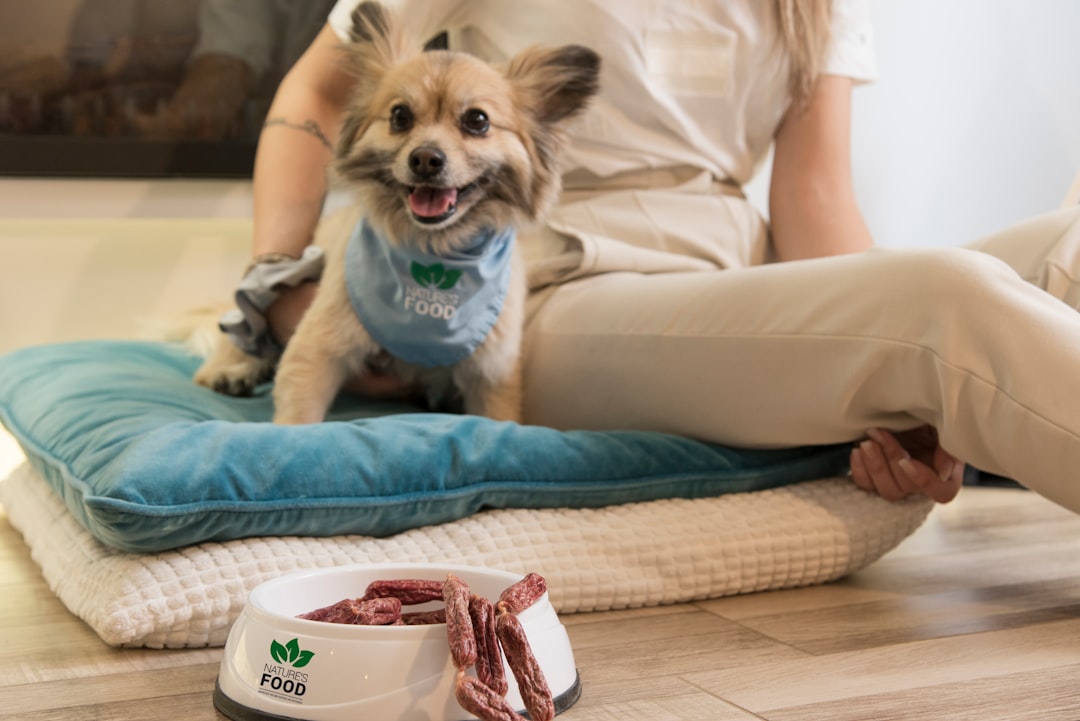
You switched your dog to fresh food. You're doing the right thing. And then you opened the fridge on day four, looked at that container of gently cooked chicken and sweet potato, and thought: is this still okay?
You searched. You got five different answers from five different websites. One said three days. One said seven. One mentioned "use your best judgment" — which is exactly the kind of answer that helps nobody.
Here's what you actually need to know about how long does fresh dog food last — not a vague range, not a guess, but the specific time-temperature rules derived from established food safety standards, broken down by food type, storage location, and the bacterial mechanism that makes every one of these rules non-negotiable.
We've been in the fresh dog food space long enough to know that this question gets answered badly, consistently. This article fixes that.
Why Fresh Dog Food Storage Rules Are Not Optional
Before the specific numbers, here's the specific reason those numbers exist — because understanding the mechanism makes you a better judge of edge cases, and edge cases are where dogs get sick.
The FDA's food safety guidelines establish what's called the bacterial danger zone: 40°F to 140°F (4°C to 60°C). Inside that temperature range, pathogenic bacteria — Salmonella, Listeria monocytogenes, E. coli, Clostridium perfringens — don't just survive. They thrive. Under ideal conditions, a single bacterium can double in population every 20 minutes. That's not a slow process. At that rate, a low but present bacterial load can reach dangerous concentrations in under two hours.
This is why the "2-hour rule" exists. It's not arbitrary. It's the documented threshold at which bacterial growth in protein-rich food at room temperature crosses from manageable to genuinely dangerous — and it applies to your dog's food bowl with the same force it applies to your own dinner plate.
Fresh dog food — whether gently cooked, raw, freeze-dried reconstituted, or dehydrated rehydrated — is protein-dense, moisture-rich, and typically free of the synthetic preservatives that extend commercial kibble's shelf life. Those are the exact conditions in which foodborne pathogens multiply fastest. The shelf life rules aren't conservative guidelines for cautious owners. They're the product of real bacterial growth data.
The FDA Center for Veterinary Medicine applies these same principles to commercial pet food safety evaluations. The pathogen risk in fresh dog food is not hypothetical — it's the documented reason that raw and minimally processed pet foods carry handling warnings on their packaging.
Fresh Dog Food Shelf Life: The Complete Reference Rules by Storage Location
These are the rules. Not ranges to interpret. Not estimates to adjust based on how it smells. These are the maximum safe windows, and in our experience, the errors happen when owners treat the maximum as the target rather than the limit.
Refrigerator Storage (Stored at or Below 40°F / 4°C)
Your refrigerator temperature matters here. A refrigerator running at 42°F is not safe storage by these standards. If you haven't checked yours recently, a basic refrigerator thermometer costs under $10 and is worth having in any fresh-feeding household.
| Food Type | Maximum Refrigerator Life | Notes |
|---|---|---|
| Gently cooked / lightly cooked | 3–5 days | Day 3 is the practical quality peak; days 4–5 are within safety but flavor and texture degrade |
| Raw (commercial fresh-frozen, thawed) | 1–2 days | 24 hours is the safer target; 48 hours is the documented maximum |
| Homemade cooked | 3–4 days | Lower end than commercial due to variable prep conditions and inconsistent cooling |
| Freeze-dried, reconstituted with water | 24 hours | Once water is added, shelf life drops to fresh food standards immediately |
| Dehydrated, rehydrated with water | 24 hours | Same principle as freeze-dried: water activates bacterial growth potential |
The homemade dog food fridge life note: We get asked about this often. Homemade cooked dog food follows the same bacterial growth logic as any home-cooked protein — 3 to 4 days is the documented safe window according to USDA food safety standards for cooked protein storage. The lower end of the range compared to commercial gently cooked food accounts for home kitchen variability: cooling speed, prep surface hygiene, storage container sealing. Commercial fresh dog food is prepared under HACCP (Hazard Analysis and Critical Control Points) protocols that control these variables precisely. Home kitchens don't operate under HACCP. That's not a criticism — it's just why the range is slightly tighter.
Freezer Storage (Stored at or Below 0°F / -18°C)
| Food Type | Maximum Freezer Life (Safety) | Quality Peak |
|---|---|---|
| Gently cooked / lightly cooked | 3 months | Best within 1 month; oxidation and texture degradation accelerate after |
| Raw | 3 months | Quality and bacterial status best within 4–6 weeks; pathogens can survive freezing (they are dormant, not killed) |
| Homemade cooked | 2–3 months | Freeze in individual portions — full batch thawing and refreezing destroys quality and cycles bacterial risk |
| Freeze-dried (before reconstitution) | 12+ months | Check manufacturer's stated shelf life; low moisture makes this the most stable format |
| Dehydrated (before rehydration) | 6–12 months | Store in airtight containers away from heat and light |
The critical freezer distinction: Freezing does not kill most foodborne pathogens. A 2019 study published in the journal Veterinary Record examining raw pet food found that freezing reduced but did not eliminate Salmonella and Listeria contamination. Freezing puts bacteria into dormancy. The moment food thaws back into the danger zone, bacterial activity resumes. This is why the "quality degrades after 1 month" note in the table above is a practical reality: the longer food stays in the freezer, the more freeze-thaw micro-cycles it experiences from normal door opening, and the more cellular breakdown occurs in the protein, which increases surface area available for bacterial activity on thaw.
Never refreeze thawed fresh dog food. This is the rule that most owners know but don't always follow when they're trying to stretch a batch. Each freeze-thaw cycle multiplies the bacterial risk. Portion before freezing so each container is a single serving.
Room Temperature — The 2-Hour Rule
This is the most commonly violated rule in fresh dog food handling, and it's the one with the most direct bacterial consequence.
Maximum time fresh dog food can sit at room temperature: 2 hours.
If ambient temperature is above 90°F (32°C): 1 hour maximum.
This applies to:
- The serving bowl after your dog walks away
- Food left out "to come to room temperature" before serving
- A thawing container left on the counter rather than in the refrigerator
- Leftovers in the bowl that your dog didn't finish
The FDA's "danger zone" framework establishes these as the outer limits for protein-rich perishable food at room temperature. This is not a rule unique to pet food — it's the same standard applied to human food safety. The reasoning is the same: bacterial doubling time at room temperature in the 70–80°F range can reach 20 minutes for the fastest-multiplying pathogens in moist, protein-rich environments.
We've found that the most common situation where this rule gets broken is the "grazer" dog — the dog that eats a few bites, walks away, and returns to the bowl 90 minutes later. For kibble, this is harmless. For fresh food, the bowl sitting at room temperature for 90 minutes is approaching the edge of the safety window. Our recommendation: set a timer when you put fresh food down. Two hours. If your dog hasn't finished it, it goes in the refrigerator (if within 24 hours of opening) or in the trash.
Rules by Fresh Food Format: What Changes and Why
Not all fresh dog food is the same, and the storage rules vary meaningfully by format. Here's what each format requires and why.
Gently Cooked Fresh Dog Food
This is the format from commercial fresh dog food delivery services — think lightly cooked proteins and vegetables, portioned and refrigerated or frozen. The cooking process reduces — but does not eliminate — pathogen load. The absence of preservatives means bacterial growth resumes immediately after the thermal kill step ends.
Refrigerator: 3–5 days from opening (check manufacturer guidance — some formulations are 3 days maximum).
Freezer: Up to 3 months; best within 4–6 weeks.
Room temp: 2 hours maximum, 1 hour above 90°F.
Thawing: Always in the refrigerator, never on the counter.
Raw Fresh Dog Food
Raw food is the highest-risk format because no thermal kill step has occurred. The bacterial load present in the raw ingredients is the bacterial load in the bowl. The American Veterinary Medical Association (AVMA) maintains documented concern about raw food diets specifically because of the pathogen risk to both animals and the humans handling the food — particularly immunocompromised individuals and children in the household.
Refrigerator: 1–2 days maximum. 24 hours is the safer target.
Freezer: Up to 3 months; quality and pathogen dormancy are most reliable within 4–6 weeks.
Room temp: 2 hours maximum — and with raw food, we recommend erring toward 1 hour regardless of temperature.
Thawing: Refrigerator only. Submerge in cold water (sealed package) only if you're thawing for immediate use. Never microwave-thaw raw dog food if you can avoid it — microwave thawing creates hot spots that can partially cook the food while leaving other sections in the danger zone.
Freeze-Dried Reconstituted
Freeze-dried food has an excellent shelf life in its dry state — typically 12 months or more, stored in a sealed container away from heat and humidity. The moment water is added, that changes entirely.
Reconstituted freeze-dried food has a 24-hour refrigerator shelf life from the moment water is added. Some manufacturers recommend immediate serving only — check the specific product instructions.
Room temperature rules apply identically to gently cooked food once water has been added.
Dehydrated Rehydrated
Same principle as freeze-dried. Dry dehydrated food: 6–12 months in proper storage. Add water: 24-hour refrigerator maximum, serve immediately or refrigerate, 2-hour room temperature rule applies.
The low-moisture characteristic that gives dehydrated food its dry shelf stability disappears the moment you rehydrate it. After rehydration it is functionally fresh food and should be handled as such.
How to Store Fresh Dog Food Correctly: The Practical Process
Knowing the rules is one half. Storing correctly in the real world is the other. Here's the specific process we use and recommend.
-
Portion before freezing. Divide the entire batch or delivery into individual meal-sized containers before any of it goes in the freezer. This eliminates the refreezing problem entirely — you thaw exactly what you need and use it within 24–48 hours.
-
Thaw in the refrigerator, not on the counter. Move the next day's portion from freezer to fridge the night before. A typical single-dog portion thaws safely in 12–18 hours at refrigerator temperature. If you forgot to thaw ahead, submerge the sealed container in cold water — change the water every 30 minutes.
-
Use airtight containers with clear date labels. The single most practical step for preventing waste and guessing games. Write the date opened or the date cooked on every container before it goes in the fridge. No guessing required — you can see exactly when the clock started.
-
Set a bowl timer for grazers. If your dog doesn't eat the full serving in one sitting, set a 90-minute kitchen timer when the bowl goes down. At 90 minutes, either the bowl is picked up or you're watching the clock closely. At 2 hours, the bowl goes up regardless.
-
Refrigerate the open container immediately after serving. Don't leave the main storage container on the counter while your dog eats. Portion into the bowl, reseal the storage container, return it to the refrigerator. Every minute on the counter counts against the refrigerator shelf life.
Signs That Fresh Dog Food Has Gone Bad
Storage rules tell you the maximum window. These signals tell you when food has turned before the window closes — because temperature variability, inconsistent cooling, and processing differences mean the rule is the ceiling, not the guarantee.
Discard immediately if you observe:
- Off or sour odor. Fresh dog food has a mild, protein-forward smell. Sour, ammonia-like, or "wrong" odor indicates bacterial activity. Trust your nose — the odor threshold for spoilage is lower than the safety threshold.
- Surface sliminess or unusual texture. A slightly slimy surface on cooked protein is a classic sign of bacterial biofilm formation. This is not salvageable.
- Visible mold. Any visible mold on fresh dog food means the entire container is compromised, not just the visible surface. Mold produces mycotoxins that penetrate throughout the food mass.
- Color changes beyond normal oxidation. Some surface color change in raw food is normal oxidation (myoglobin reacting to oxygen). Green, gray, or blue-tinged coloring is not.
- Unusual bloating or gas in the container. Gas production in a sealed container is evidence of active fermentation or bacterial activity. Do not feed it.
In our experience, the most common error we see is the "smell test as the only test." Smell is useful — but some dangerous pathogens, including certain Salmonella strains, produce minimal odor even at dangerous concentrations. The smell test catches obvious spoilage. The storage rules protect against the bacteria that don't announce themselves.
Frequently Asked Questions
How long can fresh dog food sit out in the bowl?
Fresh dog food should not sit out at room temperature for more than 2 hours — or 1 hour if ambient temperature is above 90°F (32°C). This is the threshold established by FDA food safety guidelines for perishable protein-rich food in the bacterial danger zone (40°F–140°F). After 2 hours, the bacterial load in the bowl may have reached levels that are unsafe for consumption. If your dog hasn't finished their meal within 2 hours, discard the remainder.
Does fresh dog food expire if it's still frozen?
Frozen fresh dog food does not "expire" in the sense of becoming immediately unsafe at a fixed date, but it does degrade in quality and safety reliability over time. Both gently cooked and raw fresh dog food maintain best quality for up to 1 month in the freezer and remain within the safe use window for up to 3 months. Beyond 3 months, freeze-thaw micro-cycles, oxidation, and protein breakdown make the food less nutritionally reliable and potentially higher-risk on thaw. Freezing does not kill most pathogens — it suspends them. After 3 months, that suspension becomes less reliable.
Can I refrigerate leftover fresh dog food that's been in the bowl?
No. Once fresh dog food has been in the bowl at room temperature, it should not be returned to the refrigerator and reused. The 2-hour room temperature rule applies, and food that has been in the bacterial danger zone cannot be made safe again by re-refrigerating it — the bacterial multiplication that occurred at room temperature is not reversed by cooling. Portion only what your dog will eat in a single meal to avoid this situation.
How long does homemade dog food last in the fridge?
Homemade cooked dog food lasts 3–4 days in the refrigerator when stored in a sealed airtight container at 40°F or below. The USDA's cold food storage guidelines for cooked proteins establish 3–4 days as the safe window for home-cooked meat and protein dishes. The slightly shorter window compared to commercial fresh dog food (which may be labeled up to 5 days) reflects the controlled HACCP preparation conditions of commercial facilities versus typical home kitchen conditions. For homemade batches, freeze anything you won't use within 3 days.
Does fresh dog food that smells fine mean it's safe to feed?
Not necessarily. Smell is a useful indicator for obvious spoilage but an unreliable indicator for pathogen safety. Certain bacteria — including some strains of Salmonella — can reach dangerous concentrations without producing the off-odors associated with spoilage. The storage time and temperature rules exist precisely because they protect against the bacterial growth that smell cannot reliably detect. If the food is within its storage window and shows no visible spoilage signs, it is likely safe. If it has exceeded its storage window, the absence of off-odor is not a reliable safety guarantee.
Fresh dog food is nutritionally superior to highly processed alternatives — that's the reason most owners make the switch. But that nutritional advantage comes with a handling responsibility that kibble simply doesn't require. The storage rules in this article are not bureaucratic caution. They are the direct product of bacterial growth data, established food safety science, and the specific characteristics of fresh, minimally processed food.
The rules are straightforward once you know the specific mechanism behind them. Gently cooked: 3–5 days refrigerated, 3 months frozen. Raw: 1–2 days refrigerated, 3 months frozen. Reconstituted formats: 24 hours refrigerated. Room temperature, all formats: 2 hours maximum.
Know the rules. Apply them consistently. Your dog is eating better food — make sure it stays that way.
See also: types of fresh dog food | how fresh dog food is made | fresh dog food vs raw dog food | homemade dog food mistakes